What does it mean if my brake pedal feels soft or spongy?
A soft or spongy brake pedal usually means there is a problem in your brake hydraulic system and your vehicle is not stopping as safely as it should. Common causes include low or leaking brake fluid, air in the brake lines, worn brake hoses, or issues with components like the master cylinder, calipers, or wheel cylinders. In some cases, a spongy pedal can show up after recent brake work if the system was not properly bled. Because your brakes are your primary safety system, a soft pedal is never “normal” and should be inspected right away. If your brake pedal suddenly goes very soft or sinks toward the floor, avoid driving the vehicle and have it towed to a repair shop for diagnosis. A soft brake pedal is a sign you need professional brake repair as soon as possible.
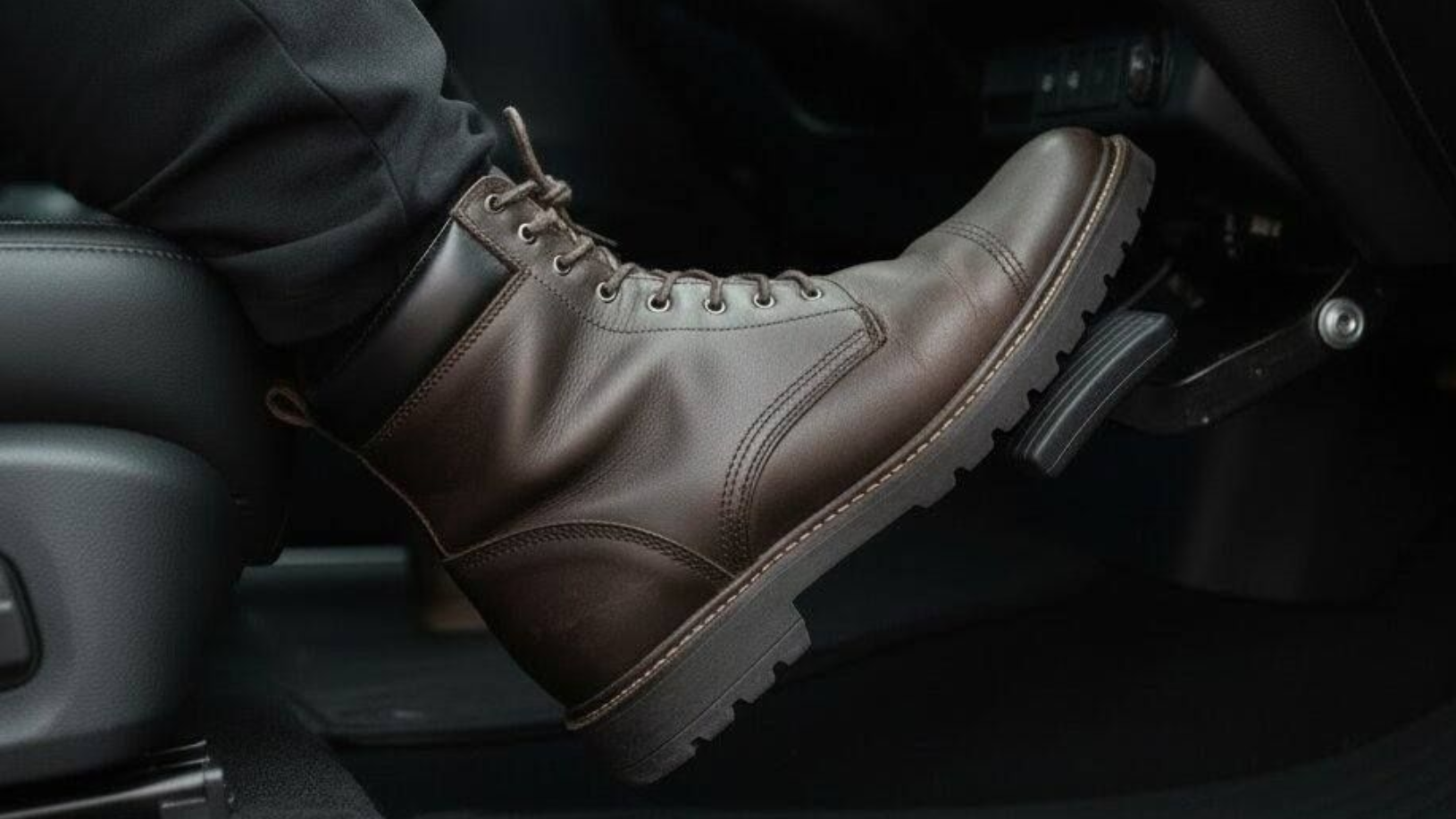
What “soft” or “spongy” really means
- The pedal travels farther than usual before the brakes engage.
- You may need to “pump” the pedal to build pressure.
- The pedal can feel squishy instead of firm and responsive under your foot.
Drivers often first notice this change in stop‑and‑go Somerville traffic or when braking on hills, where you expect strong, immediate stopping power.
Common causes of a soft brake pedal
- Low brake fluid from a leak in a line, hose, caliper, or wheel cylinder.
- Air in the brake lines, often after a fluid leak, overheating, or recent brake work.
- Worn or failing master cylinder that can no longer hold pressure.
- Deteriorated rubber brake hoses that flex or swell under pressure.
- Contaminated or old brake fluid that has absorbed moisture and lost effectiveness.
Any of these conditions reduce hydraulic pressure, which is why the pedal feels soft and the vehicle may take longer to stop.
Is it safe to drive?
In most cases, a soft or spongy pedal is a safety concern, not just an annoyance. If the pedal is gradually getting softer, you should schedule brake service as soon as possible. If it suddenly becomes very soft, goes to the floor, or the brake warning light comes on, the safest choice is to stop driving and arrange a tow to a shop.
How Teele Square Auto in Somerville, MA can help
At Teele Square Auto, our ASE‑certified technicians can:
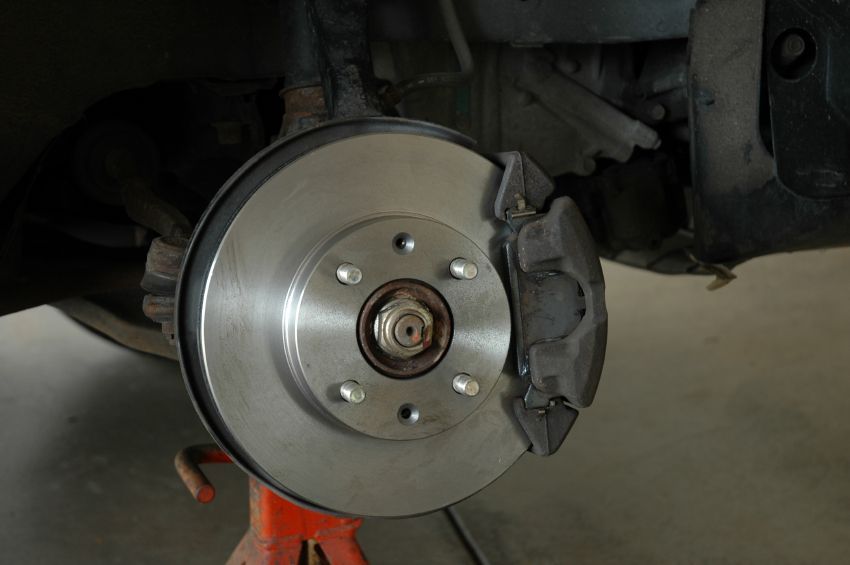
- Inspect your entire brake system, including pads, rotors, lines, hoses, calipers, and master cylinder.
- Check fluid level and condition, find and repair leaks, and bleed the brakes to remove air.
- Replace worn components and road‑salt‑damaged lines that are common in New England.
If your brake pedal feels soft or spongy, contact Teele Square Auto in Somerville, MA today to schedule a brake inspection so you can get back on the road safely and with confidence.
Teel Square Auto - Blog